Image
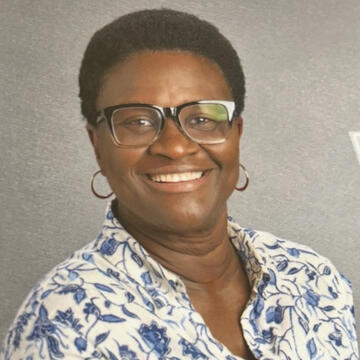
Wendy McSpadden ’27 wants to advocate for every learner in her classroom. She believes the Special Education with Credential Master's program at USF — with its emphasis on social justice — will allow her to do just that.
Why did you choose USF?
I chose USF for the collaborative cohort model that builds a strong professional community, the convenient location that allows me to remain connected to my home community, and most importantly, the Special Education program’s commitment to social justice in education.
What do you most like about your program?
The Special Education program prepares me to be both a skilled educator and a thoughtful advocate. Every class connects theory to practice. I am becoming not just a special education teacher, but an education specialist who can lead change in schools.
Tell us about your internship.
I am a Resource Specialist teacher at Hillcrest Elementary School working under an intern credential. I support students in TK-3rd grade with mild to moderate disabilities. This role has given me experience in both the instructional and administrative aspects of special education.
What are your responsibilities?
I provide both pull-out instruction in my resource room and push-in support in general education classrooms with a focus on literacy, writing, and math. As a case manager, I write Individualized Education Plans (IEPs), develop measurable goals, coordinate services, facilitate IEPs, and maintain ongoing communications with parents and teachers.
What’s your advice to students interested in this program?
Your first year will be tough. You will be learning to write legally compliant IEPs while simultaneously learning to teach reading, manage behaviors, coordinate with team members, and communicate with families. Give yourself permission to be a beginner. Ask questions, seek feedback from mentors, and remember every special educator once stood exactly where you are standing right now.
As a future special educator, I wanted a program that would prepare me not just to teach students with disabilities, but to advocate for them and challenge inequitable systems.”